

Symmetry Solar has installed 15 MWh of commercial and industrial battery storage across five states and territories, from initial design and network modelling, through to connection application and market orchestration.
Battery storage delivered across Queensland, New South Wales, Victoria, South Australia and the Australian Capital Territory.
Project 01 In construction
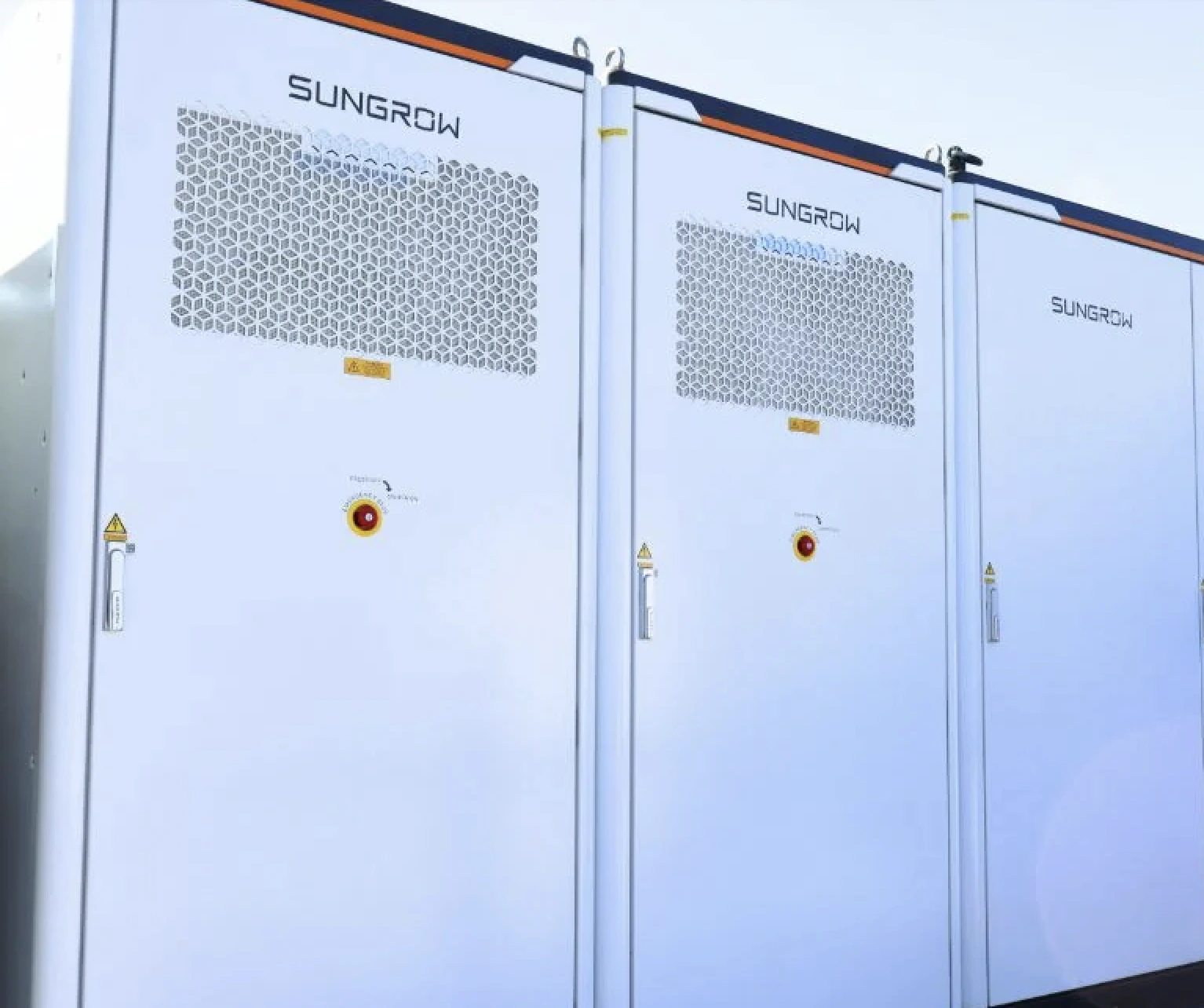
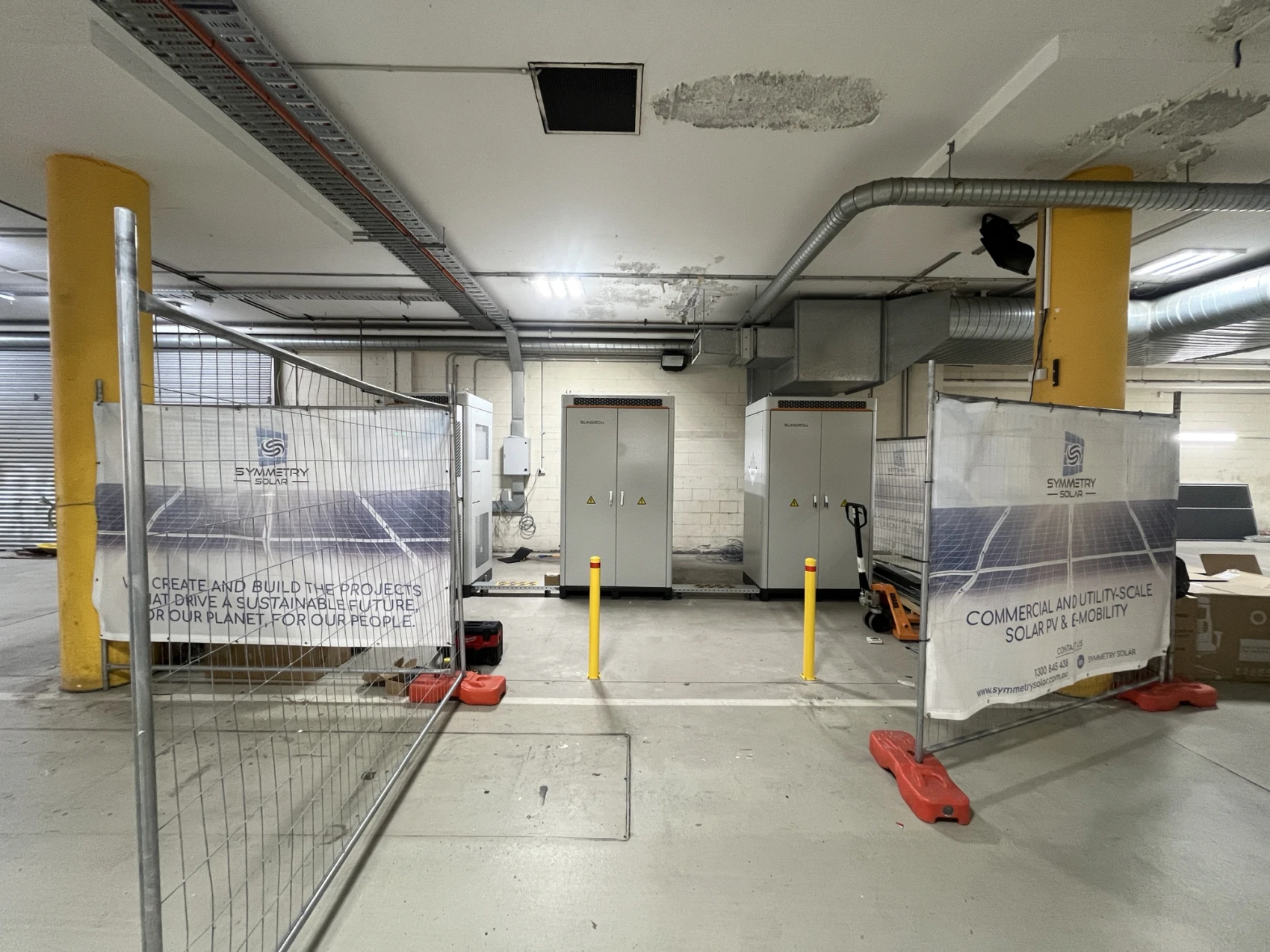
Two gas generators previously supplied the Canberra Airport terminal; 4,050 kWh of battery storage and 2.52 MWp of rooftop solar now replace the old emissions producing gas generation.
| Client | Canberra Airport |
|---|---|
| Location | Canberra Airport, Australian Capital Territory |
| Battery | Sungrow PowerStack, 18 units |
| Rating | 1,980 kW / 4,050 kWh |
| Solar | 2.52 MWp, Trina modules, Sungrow SG110CX inverters |
| Connection | Evoenergy |
| Conditions | Operating passenger terminal, airside access |
Project 02
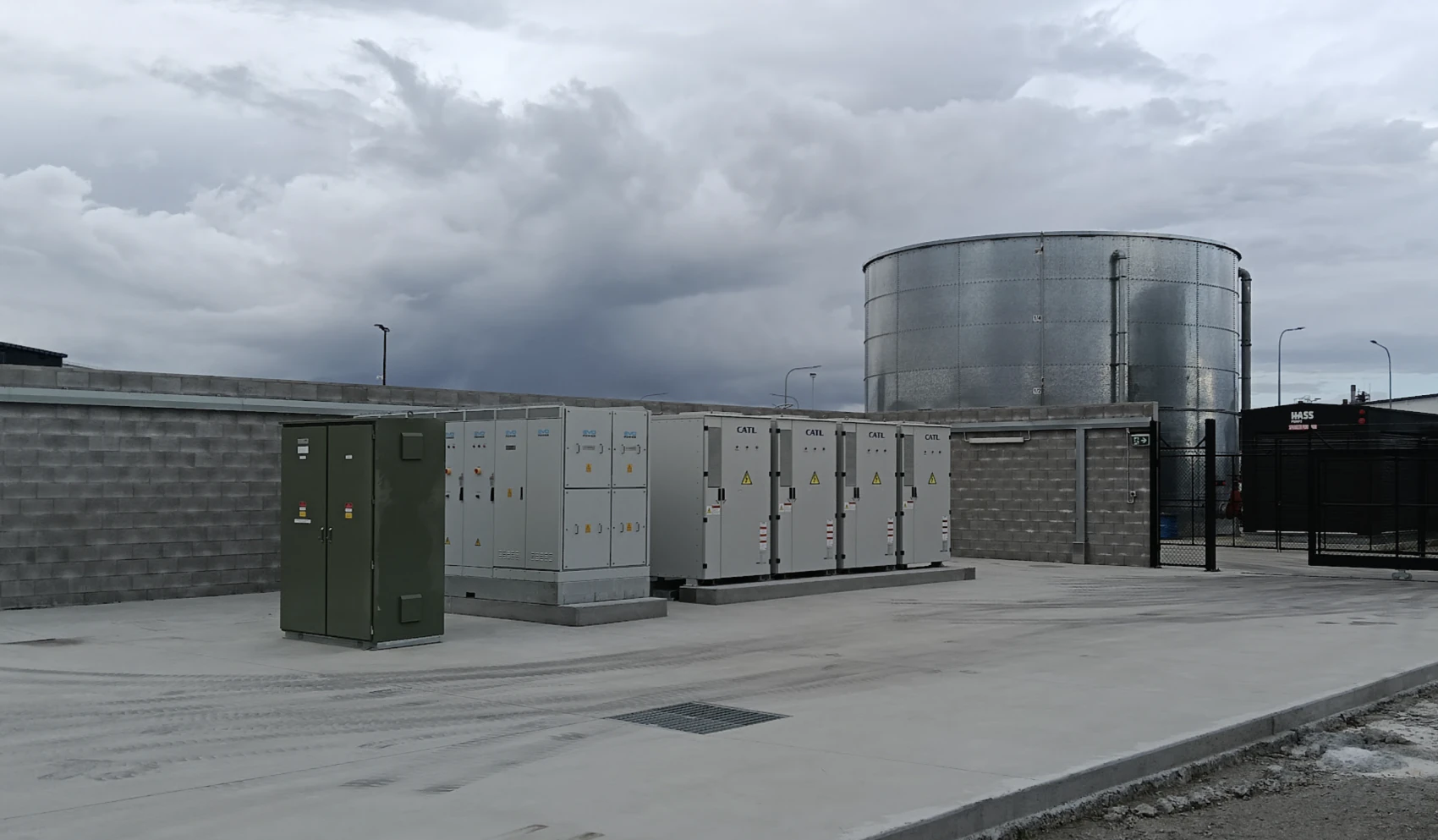
Port of Brisbane's Port West Estate ran entirely on grid supply; 1,750 kWh of battery storage and rooftop solar across the estate now reduce the peak demand charge and trade into the wholesale market.
| Client | Port of Brisbane Pty Ltd |
|---|---|
| Location | Port West Estate, Brisbane, Queensland |
| Battery | EVO Power NEO |
| Rating | 1,000 kW / 1,750 kWh |
| Connection | High Voltage, Energex A2 negotiated connection application |
| Engineering | PSCAD stability modelling, droop curve assessment, protection relay grading |
| Delivery | Engineer, Procure and Construct |
Project 03
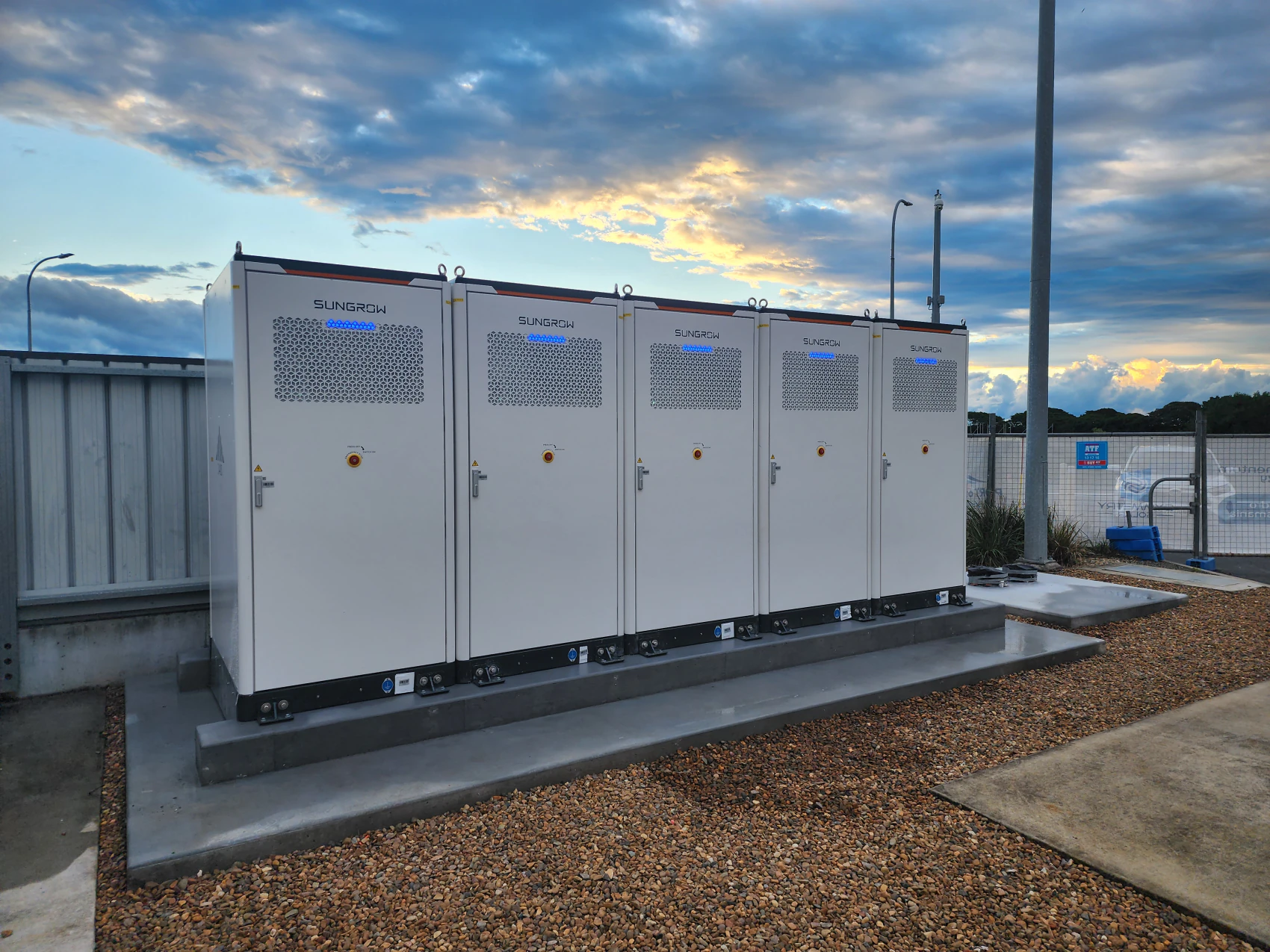
The Brisbane International Cruise Terminal previously met its evening peak from the grid; 1,125 kWh of battery storage and 238 kWp of rooftop solar now supply that peak and trade into the wholesale market.
| Client | Port of Brisbane Pty Ltd |
|---|---|
| Location | Brisbane International Cruise Terminal, Queensland |
| Battery | Sungrow PowerStack, 5 units |
| Rating | 550 kW / 1,125 kWh |
| Solar | 238 kWp Trina modules, 4 Sungrow 50 kVA inverters |
Project 04
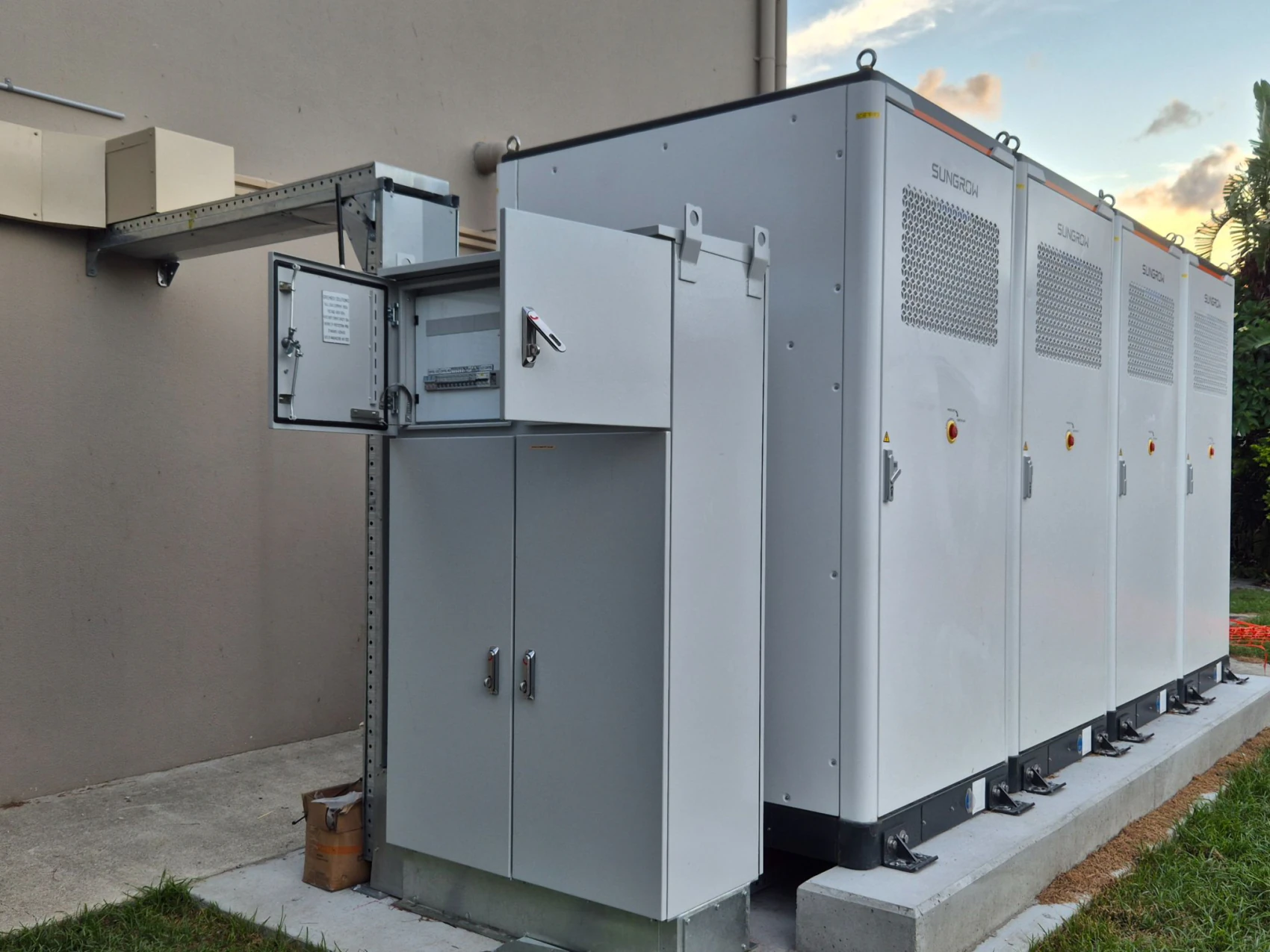
Strathpine Square is an embedded network where a single connection point serves every tenant; 900 kWh of battery storage now reduces the peak demand charge across the whole site.
| Location | Strathpine Square, Queensland |
|---|---|
| Battery | Sungrow PowerStack, 4 units |
| Rating | 440 kVA / 900 kWh |
| Configuration | Embedded network, single connection point |
Project 05
GloBird Energy is an electricity retailer; 200 kWh of battery storage and 100 kW of solar at their Victorian head office now run inside GloBird's own VPP platform.
| Client | GloBird Energy |
|---|---|
| Location | GloBird Energy headquarters, Victoria |
| Battery | 2 × ST100 |
| Rating | 100 kW / 200 kWh |
| Solar | 100 kW |
| Operation | GloBird VPP platform, retailer testing programme |
Project 06
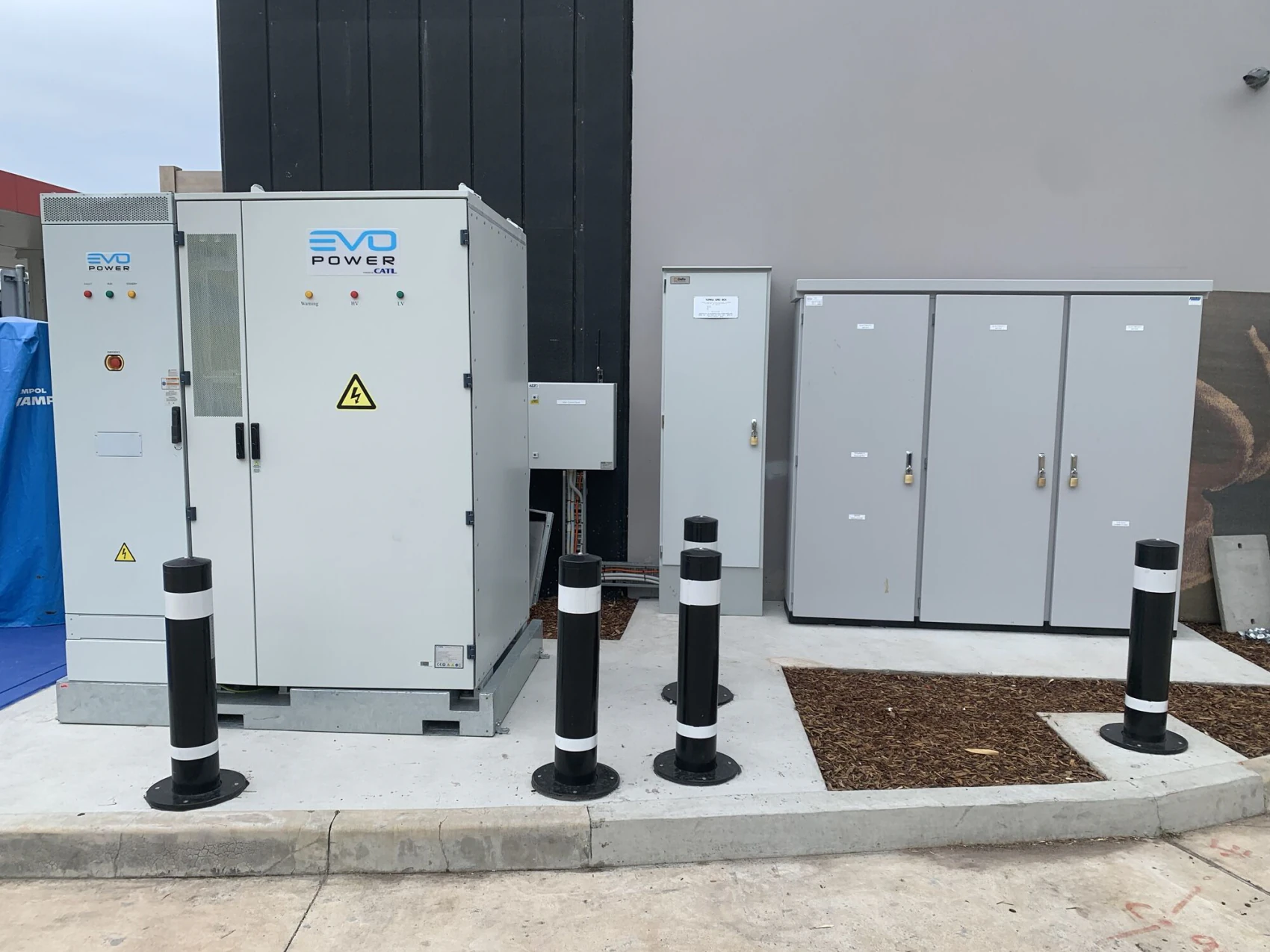
Mayo Hardware previously paid a peak demand charge set across a handful of intervals each month; 100 kWh of battery storage now reduces the peak demand charge and arbitrages the tariff.
| Client | Goodman Group |
|---|---|
| Location | Mayo Hardware, Moorebank, New South Wales |
| Battery | EVO Power NEO |
| Rating | 100 kW / 100 kWh |
| Operation | Behind the meter |
The connection conditions set by your distributor determine what the battery is permitted to do in the market; Symmetry prepares and negotiates the application and runs the technical studies prior to project commencement.
Adding a battery introduces complex design requirements for your site; Symmetry redesigns the protection and earthing systems and ensures the site remains compliant with relevant standards and operating requirements.
Distributors set stability and power quality limits as a condition of connection; Symmetry models the system against those limits at design and tests compliance at commissioning.
Separation distances depend on the enclosure and the position it occupies on site; Symmetry completes a site specific fire assessment for every installation.
Solar and storage are monitored on a single platform from commissioning; performance reporting shows measured output against the modelled figures.
A commercial battery earns from several markets at once; Symmetry registers the asset for market participation and configures it for demand reduction, arbitrage, the wholesale spot market and FCAS.
No. A battery charges from the grid at off peak rates and discharges into the peak, which delivers a return on its own; solar improves that return by charging the battery at a lower cost than the grid.
Your load shape and your tariff set the battery size, which is why two sites with identical annual consumption can require very different systems. The battery calculator sizes from your own demand profile.
Every battery needs a connection application to your distributor; the connection requirements differ depending on size and location, however they typically involve fault protection and protection design for smaller systems, with interactive fault modelling and power design modelling for larger systems.
A commercial battery earns from four markets at once: peak demand charge reduction, the price difference between peak and off peak consumption, the wholesale spot market and FCAS.